


Started from a single observation
Back in 2016, we noticed something frustrating. Businesses were spending thousands on driving traffic to their websites, only to watch those visitors leave without taking action. The problem wasn't the traffic quality or the product offering—it was the disconnect between what users expected and what they actually experienced when they landed on a page.
We started digging into the data. Heatmaps revealed where people were clicking. Session recordings showed exactly where they got confused or lost interest. Exit surveys explained why they left. The patterns were clear once you knew where to look. Small friction points—a confusing navigation label, a button that didn't look clickable, a form that asked for too much information too soon—were costing businesses real revenue.
That insight became our foundation. We built a consultation practice focused on identifying these friction points and fixing them systematically. No wild guesses, no trendy redesigns for the sake of looking modern. Just methodical analysis of user behavior, followed by targeted changes that measurably improved conversion rates. Over the years, we've refined the process, expanded our analytical toolkit, and worked with businesses across different industries. But the core principle remains: understand how users actually behave on your site, then make it easier for them to do what you want them to do.
What we actually look at
Conversion improvement isn't about magic formulas. It's about understanding where your site creates friction and removing those obstacles one by one.
Traffic analysis
We examine where your visitors come from, what they're looking for, and how different traffic sources behave differently. Search traffic acts differently than social traffic. Paid campaigns attract different intent than organic results. Understanding these patterns helps us tailor recommendations to your actual audience segments.
User behavior tracking
Heatmaps show where people click. Scroll maps reveal how far they read. Session recordings capture the exact moment they get confused or frustrated. We combine these behavioral insights to identify specific elements that help or hinder conversion. It's detective work backed by quantitative evidence.
Form optimization
Forms are often the final barrier between interest and conversion. We analyze field-level abandonment data to see exactly where users drop off. Then we test different form structures—reducing fields, changing validation timing, adjusting error messages—to minimize friction without sacrificing the data you need to collect.
Mobile experience
Mobile traffic often converts at lower rates, but it doesn't have to. We examine touch target sizes, load speeds on cellular connections, form usability on small screens, and navigation patterns unique to mobile users. Small technical improvements here can have outsized impact on overall conversion rates.
Speed and performance
Every second of load time affects conversion rate. We measure actual load times across different devices and connection speeds, identify what's slowing things down, and prioritize performance improvements that will have the biggest impact on user experience and conversion metrics.
Testing frameworks
We help you set up proper A/B testing infrastructure so you can validate changes before rolling them out site-wide. This includes determining appropriate sample sizes, running tests for statistically significant durations, and interpreting results in ways that account for seasonal variations and traffic fluctuations.
Who handles your consultation
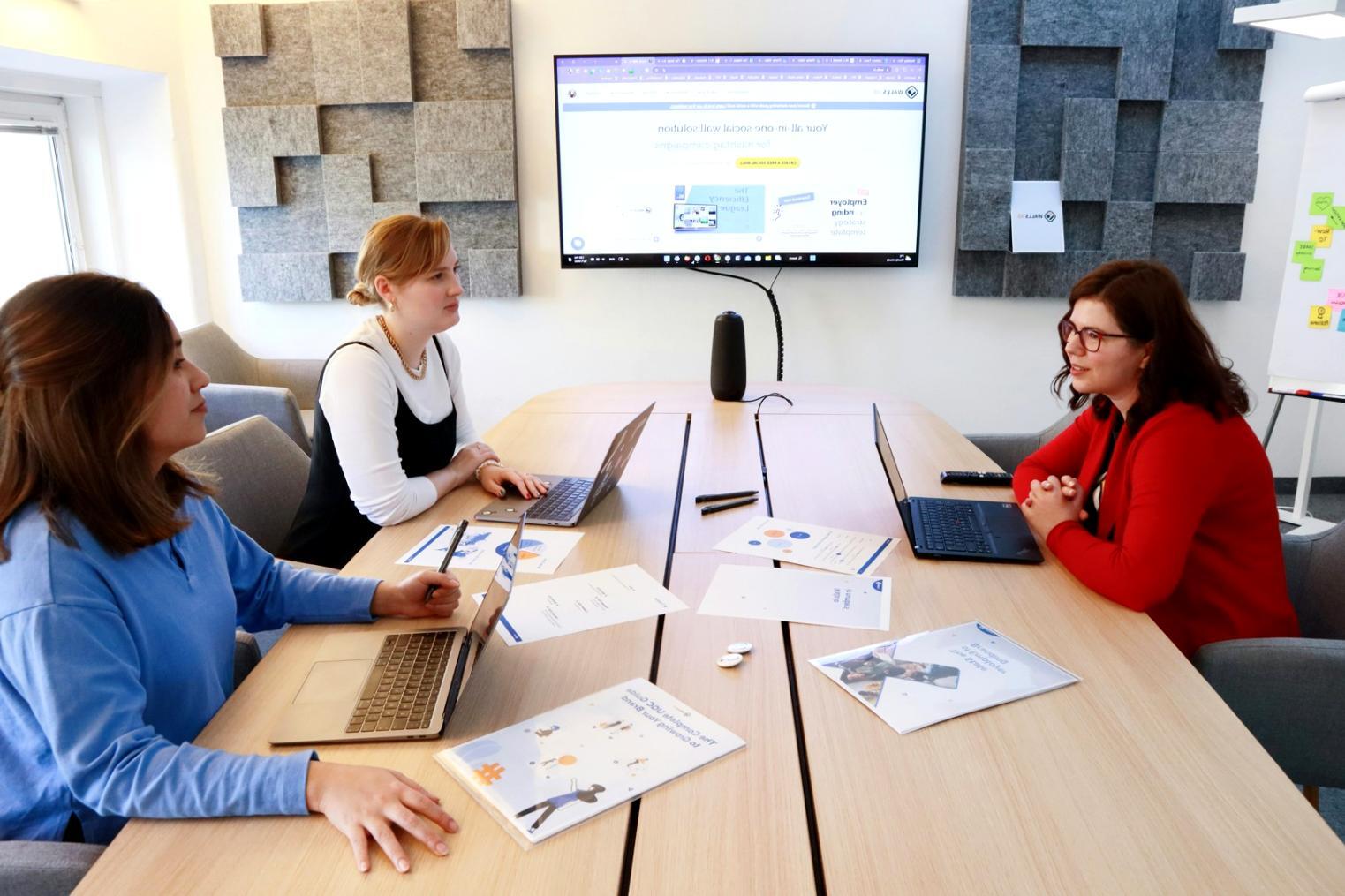
We're a small team that prioritizes direct client interaction. When you work with us, you're working with the people who actually do the analysis and write the recommendations. No layers of account managers translating your questions back and forth.

Levi Ahlström
Conversion Strategy Lead
Leads technical analysis and optimization frameworks for ecommerce platforms. Spent five years at a digital agency before realizing most clients needed deeper strategic work than agencies had time to provide. Now focuses exclusively on conversion analysis.

Imogen Sørensen
Client Experience Director
Oversees client relationships and strategic consultation delivery. Background in UX research with a particular focus on behavioral psychology. Translates complex data insights into actionable recommendations that clients can actually implement.



How we structure the work
Data collection setup
We install proper tracking infrastructure if you don't have it already. This includes analytics configuration, heatmap tools, session recording software, and form analytics. Takes about a week to gather enough behavioral data for meaningful analysis.
Behavioral analysis
We examine user paths through your site, identify common exit points, analyze where people spend time versus where they bounce quickly, and document specific friction points. This involves watching actual session recordings and identifying patterns across different user segments.
Prioritized recommendations
We deliver a detailed report ranking improvements by potential impact and implementation difficulty. You get specific technical recommendations with mockups where appropriate, not vague suggestions to "improve your user experience." Each recommendation includes the reasoning based on your actual data.
Implementation support
We provide ongoing consultation during implementation and help set up proper A/B tests to validate changes before full rollout. Monthly check-ins review results and adjust strategy based on what's working. The process is iterative—measure, change, measure again.